
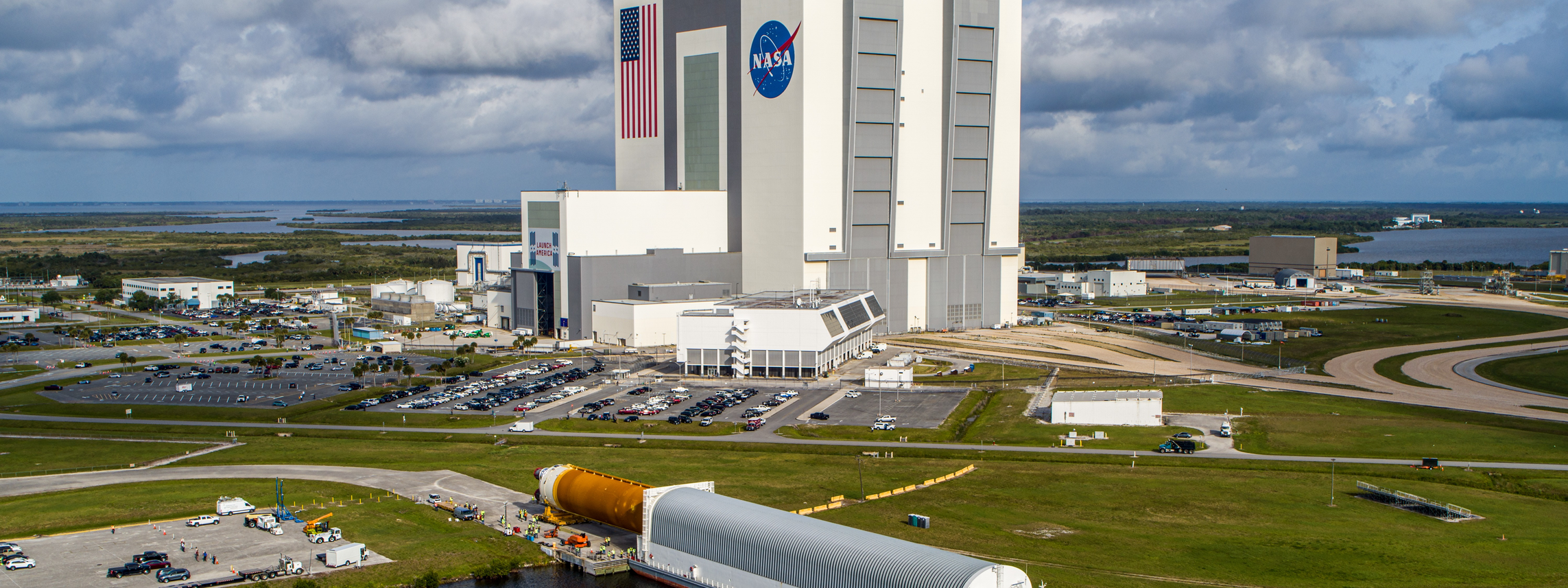
2026 International Day of Women and Girls in Science
As we mark International Day of Women and Girls in Science 2026 (11 February 2026), we find ourselves on the edge of a moment that captures both imagination and intent. The upcoming Artemis II mission, recently rescheduled to March, will send humans farther from Earth than ever before. It is a powerful symbol of what sustained innovation, collaboration, and belief in the possible can achieve.
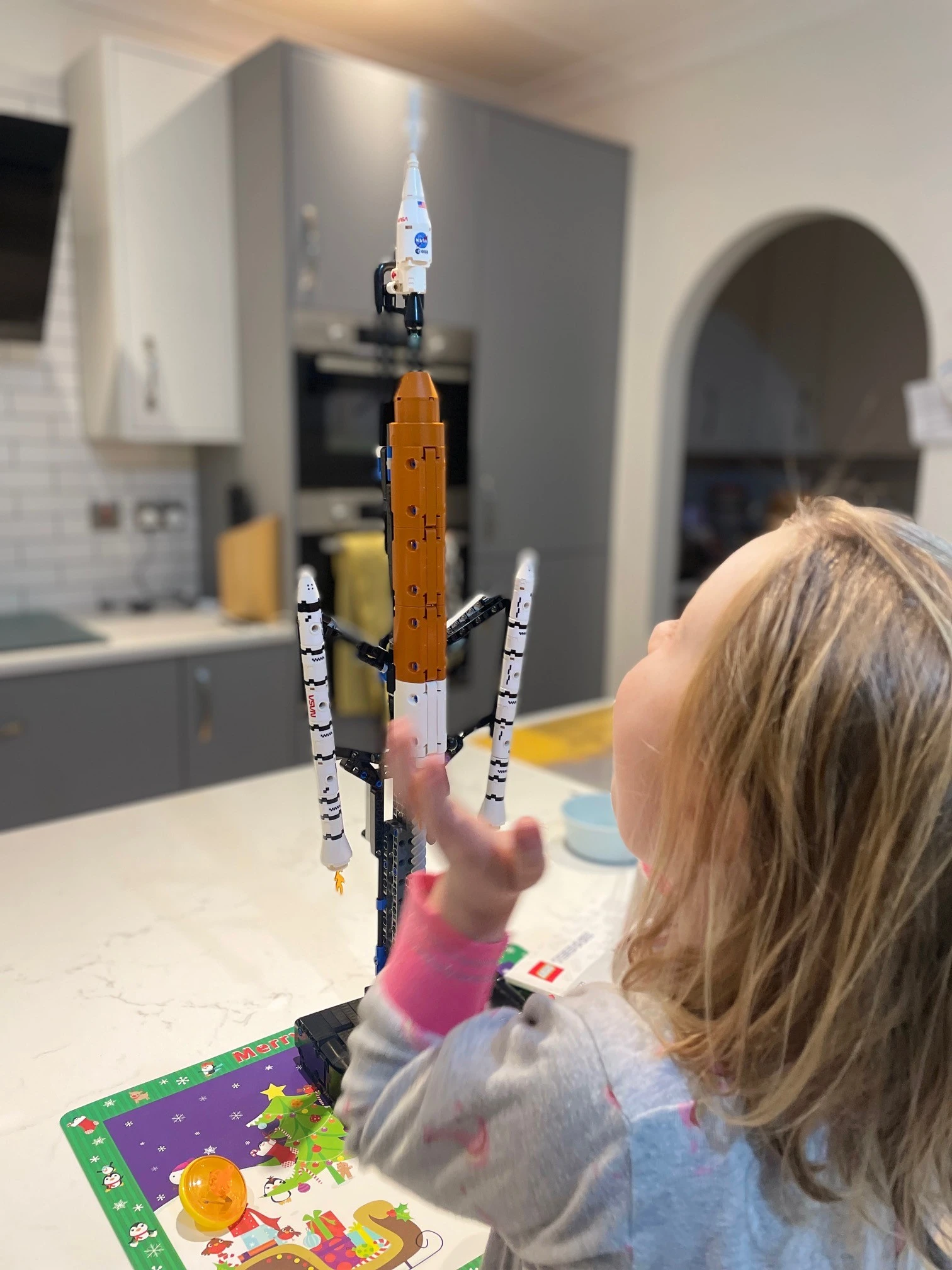 For me, this moment resonates far beyond the technical milestones. It has become a shared family experience. Over the past few years, we’ve watched several rocket launches together — countdowns on the screen, breath held as engines ignite, and cheers as spacecraft disappear into the sky. That sense of wonder has only grown. Recently, it took shape on the kitchen table as my two young daughters and I built the latest LEGO Technic Artemis rocket together. Piece by piece, questions flowed: How does it launch? Where will it go? How will they get back, and of course what do they eat, and how do they go to the toilet? What started as a model quickly became a conversation about science, engineering, teamwork, and exploration.
That experience captured something important. Curiosity doesn’t need to be taught — it needs to be encouraged. Artemis II isn’t just a mission to push physical boundaries; it’s an opportunity to spark curiosity in the next generation and to show that science and innovation are open, exciting, and relevant to everyone. My daughters are as excited as I am about the upcoming launch, not because they fully grasp the complexity of the mission, but because they feel connected to the story of it.
As an Interest Network, we believe that moments like this matter. They remind us why inclusivity and equal opportunity are not optional ideals, but essential foundations for progress. The future of space, science, and engineering will be stronger, more resilient, and more innovative when everyone has an equal chance to contribute and thrive — regardless of gender, background, or starting point. This isn’t about who gets to take a single giant leap; it’s about ensuring that pathways into these sectors are visible, accessible, and supported for all.
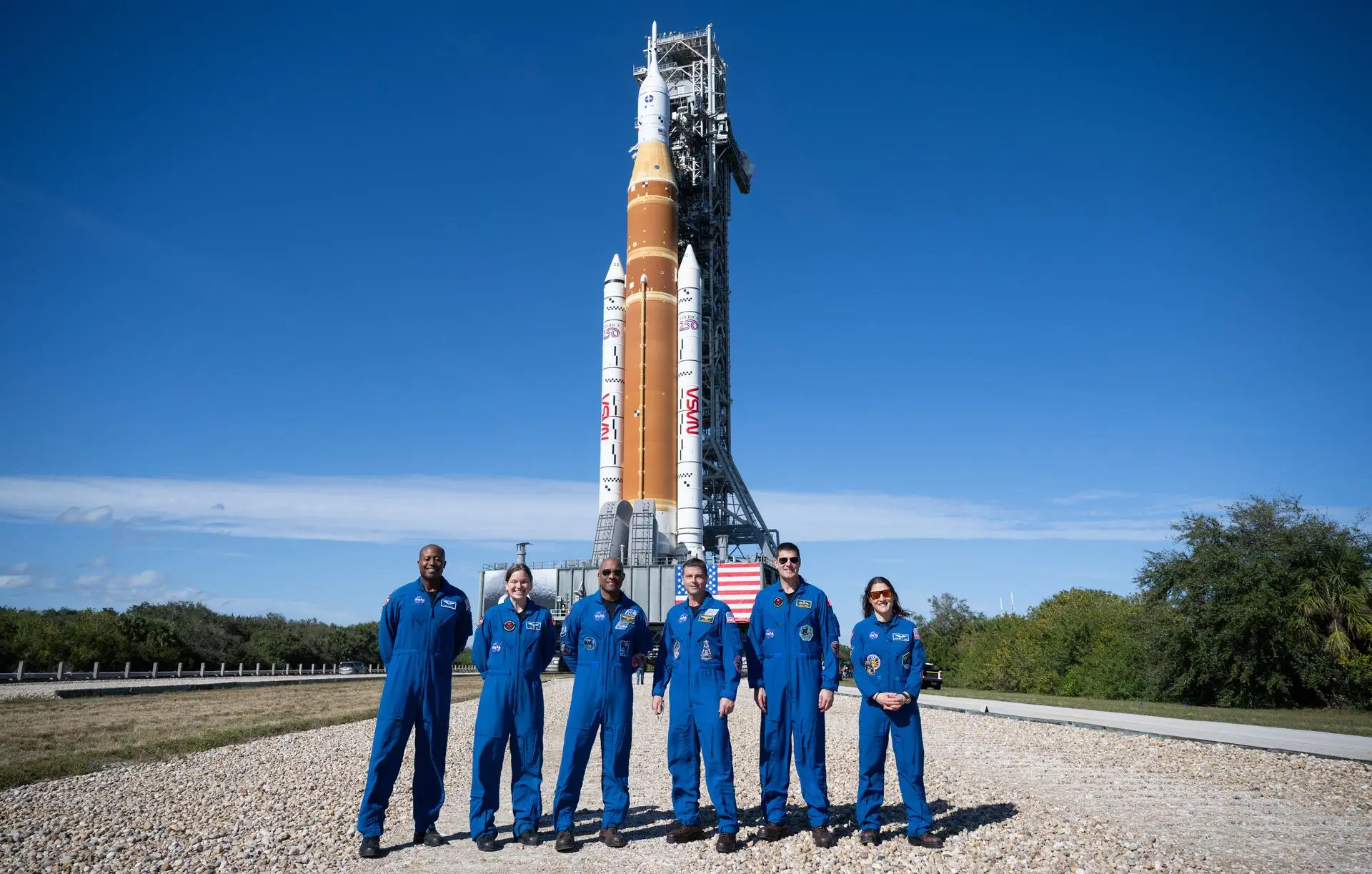
On this International Day of Women and Girls in Science, Artemis II invites us to reflect on the environments we are creating today. Are we nurturing curiosity? Are we valuing diverse perspectives? Are we building systems that allow talent to flourish wherever it exists?
As Artemis II prepares to journey farther than humanity has ever gone before, let it also remind us to look closer to home — to the kitchen tables, classrooms, and communities where imagination first takes flight. That’s where the future of science truly begins.
About the Author
 Mark Heelis, APM International Space Sector Interest Network Deputy Lead volunteer
Mark is the Deputy Lead for the Association for Project Management’s (APM) International Space Sector Interest Network. Established in 2024, the award winning Interest Network aims to connect practitioners, share best practices, and support future missions and sector ambitions through collaboration and knowledge exchange.
Mark is a Programme Manager with extensive experience delivering complex, transformational projects across engineering and technology domains. At the Satellite Applications Catapult, Mark plays a pivotal role in advancing the UK space sector, with a particular focus on emerging applications such as in-space logistics services and microgravity manufacturing.